×
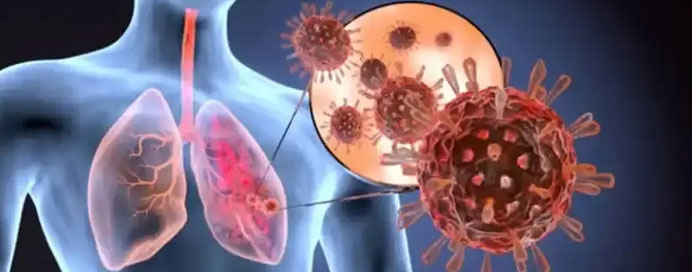
Acute Respiratory Distress Syndrome (ARDS) is a critical and life-threatening lung condition where the air sacs (alveoli) become severely inflamed and filled with fluid, leading to a sudden and dangerous drop in oxygen levels. This prevents the lungs from performing their essential function of delivering oxygen to the bloodstream. ARDS often develops as a complication of severe pneumonia, sepsis, trauma, pancreatitis, aspiration, or major surgeries. It progresses rapidly and requires urgent medical attention in an ICU setting.
Respiratory Failure occurs when the lungs are unable to supply enough oxygen to the body (hypoxemic respiratory failure) or cannot remove carbon dioxide adequately (hypercapnic respiratory failure). It may result from ARDS, COPD exacerbations, neuromuscular disorders, severe infections, or widespread lung injury. Both conditions can be acute or chronic and require advanced respiratory support, along with treatment of the underlying cause.
Early diagnosis, expert ICU care, and timely respiratory support significantly improve survival. Recovery may take weeks to months, and some patients may require pulmonary rehabilitation to regain full lung function.


