
×
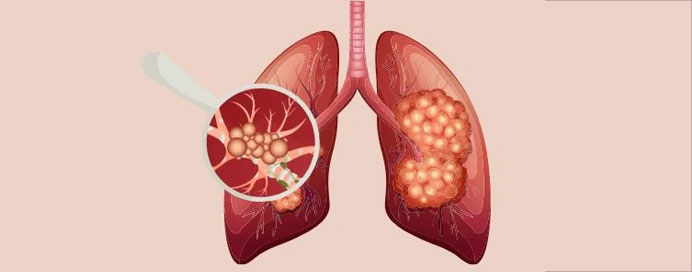
Interstitial Lung Disease (ILD) refers to a group of chronic lung disorders that cause inflammation and progressive scarring of the lung tissue, making it difficult for the lungs to absorb oxygen effectively. Patients typically experience symptoms such as persistent dry cough, breathlessness on exertion, fatigue, and reduced exercise capacity. ILD can develop due to autoimmune diseases, long-term exposure to harmful dust or chemicals, medications, infections, or may occur without a known cause (Idiopathic Pulmonary Fibrosis). Early diagnosis through HRCT scans, pulmonary function tests, and specialist evaluation is essential to slow the progression and improve long-term outcomes.


