
×
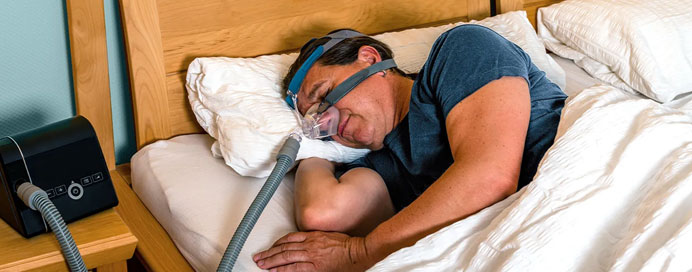
Sleep Apnea is a common sleep disorder in which a person repeatedly stops breathing for short periods during sleep. These pauses in breathing can last from a few seconds to over a minute and may occur dozens or even hundreds of times in a single night. This leads to poor sleep quality, low oxygen levels, loud snoring, frequent awakenings, and excessive daytime sleepiness. If untreated, sleep apnea can increase the risk of high blood pressure, heart disease, stroke, diabetes, and accidents due to fatigue. Early diagnosis and proper treatment can significantly improve sleep quality, overall health, and quality of life.


