
×
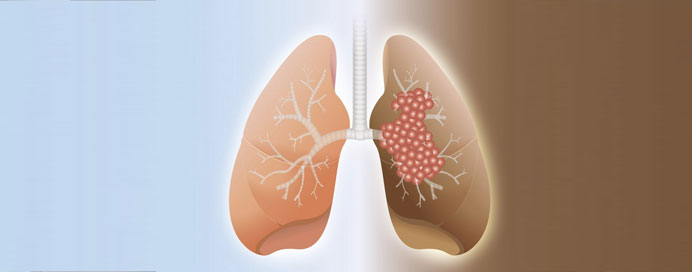
Pulmonary Fibrosis is a chronic and progressive lung condition in which the lung tissue becomes thickened, stiff, and scarred, making it increasingly difficult for the lungs to function properly. As the scarring worsens over time, patients experience persistent dry cough, breathlessness during routine activities, fatigue, and reduced exercise capacity. The condition may result from autoimmune diseases, long-term environmental exposure, certain medications, or may be idiopathic (without a known cause). Early diagnosis through HRCT scans and Pulmonary Function Tests is essential to slow disease progression and improve quality of life.


