Pleural Procedures include a range of minimally invasive techniques used to diagnose and treat conditions affecting the pleura—the thin lining around the lungs. These procedures help remove accumulated fluid or air, obtain tissue samples, relieve breathing problems, and manage recurrent pleural diseases. Using advanced tools such as ultrasound guidance, thoracoscopes, and fine-needle systems, pleural procedures ensure accurate diagnosis with maximum safety and minimal discomfort. They are essential for evaluating pleural effusions, infections, cancer, pneumothorax, and chronic pleural conditions, offering quick recovery and improved patient outcomes.
Diagnostic Pleural Procedures
- Thoracentesis: Fluid removal & pleural fluid analysis
- Pleural Biopsy (Closed Needle Biopsy): Tissue sampling for TB, cancer, or inflammation
- Medical Thoracoscopy (Pleuroscopy): Direct visual examination & targeted biopsies
- Ultrasound-Guided Procedures: Accurate needle placement for safe sampling
- Pleural Fluid Cytology: Detects cancer cells in pleural fluid
- Microbiological Testing: Identifies bacterial, TB, or fungal infections
Therapeutic Pleural Procedures
- Therapeutic Thoracentesis: Large-volume fluid drainage for breathlessness relief
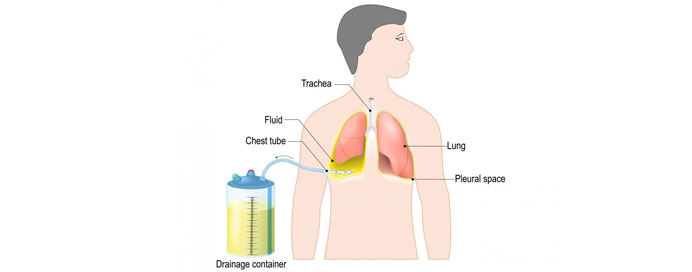
- Chest Tube Insertion (Intercostal Drain): Removes air, pus, or fluid from pleural cavity
- Talc Pleurodesis: Prevents recurrent pleural effusion or pneumothorax
- Indwelling Pleural Catheter Placement: Long-term drainage for chronic fluid buildup
- Pleural Space Management for Empyema: Drainage + medications
- Pneumothorax Management: Removal of trapped air for lung re-expansion