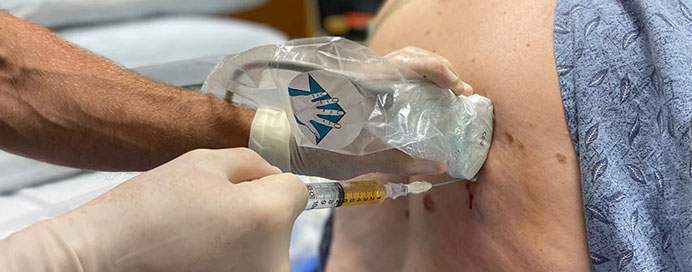
Thoracentesis is a minimally invasive medical procedure used to remove excess fluid from the pleural spaceβthe thin area between the lungs and chest wall. Using ultrasound guidance, a fine needle or small catheter is carefully inserted through the chest to safely drain the accumulated fluid. This helps relieve symptoms such as shortness of breath, chest heaviness, and persistent cough while allowing doctors to analyze the fluid for infections, cancer, tuberculosis, or inflammatory diseases. Thoracentesis is quick, highly effective, and generally performed under local anesthesia, making it a safe and comfortable procedure with immediate improvement in breathing.
Why Thoracentesis is Performed
- Diagnose the cause of pleural effusion
- Relieve breathlessness caused by excess fluid
- Evaluate suspected infections (TB, empyema)
- Detect cancer or malignant pleural effusion
- Analyze fluid for protein, cells, cultures, and biomarkers
- Therapeutic drainage for large or recurrent effusions
Benefits of Thoracentesis
- Immediate relief from shortness of breath
- Ultrasound guidance improves safety
- Minimally invasive
- Helps avoid unnecessary surgeries
- Provides accurate diagnostic information
- Performed as an OPD/day-care procedure
Risks
- Mild pain or discomfort
- Small risk of pneumothorax (air leak)
- Minimal bleeding
- Infection (very rare)
- Drop in blood pressure if too much fluid is removed quickly